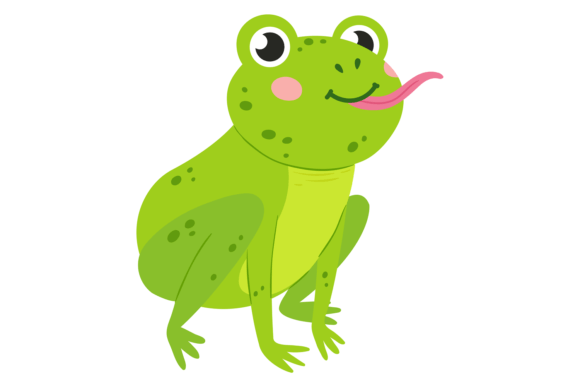
Funny Frog with Tongue Out Embroidery Review
As a designer who spends more time staring at stitch density charts than sleeping, I approach every new graphic with a healthy dose of skepticism. We are constantly bombarded with "cute" assets that look charming on a screen but fall apart when translated into thread. Today, I am evaluating Funny Frog with Tongue out. Cute Green a, a graphic listed under Illustrations and Graphics, to see if it holds up in a real-world embroidery workflow. This isn't just about whether the frog looks cute; it is about whether this design can survive the hoop, the needle, and the scrutiny of a customer buying a handmade product.
First Impressions: Mood and Visual Personality
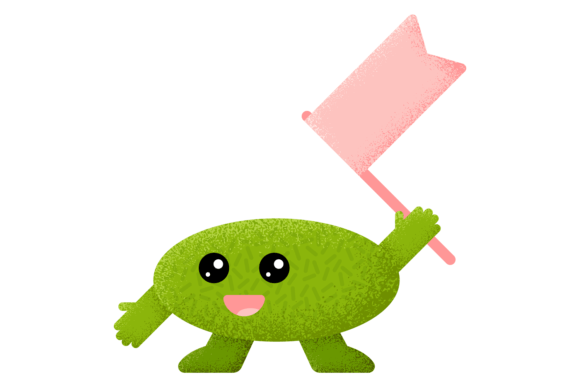
The moment you load Funny Frog with Tongue out. Cute Green a into your digitizing software or preview window, the mood is immediate. It is playful, slightly mischievous, and undeniably lighthearted. The isolated green animal on a white background provides a clean canvas, which is exactly what we need for effective color separation. For an embroidery project aimed at hobbyists or small business owners, this character has personality without being overly complex. It feels like something that belongs on a child’s clothing, a quirky kitchen accessory, or a fun gift item rather than a high-end corporate uniform.
The visual personality suggests versatility. It is not stiff or formal. When I imagine this as a machine embroidery design, I picture it popping against denim or sitting comfortably on a cream-colored linen tote bag. The "tongue out" aspect adds a dynamic element that requires careful attention during the digitizing process. If the tongue is too thin or lacks proper stabilization, it will pucker. If it is too thick, it will look bulky. The initial assessment is positive, provided the file translates well from its vector origins (EPS, SVG) into a functional digital embroidery file.
Real-World Application: Where Does This Fit?
I recently had a client request a series of personalized gifts for a summer baby shower. They wanted something unique—nothing generic like standard hearts or stars. Funny Frog with Tongue out. Cute Green a immediately came to mind for a few specific applications:
- Baby Embroidery: On a soft muslin onesie or a hooded towel, this design brings joy. The bright green contrasts beautifully with pastel yellows or light blues, making it a standout piece for a personalized gift.
- Tote Bag Design: A canvas tote with this frog centered or placed near the pocket area feels trendy and approachable. It appeals to the Etsy seller demographic looking for everyday carry items that spark conversation.
- Kitchen Towels and Aprons: There is a rustic charm to frogs in kitchen settings. Pairing this graphic with a simple font saying "Ribbit & Roast" or similar creates a cohesive theme for a handmade product line.
- Embroidered Patch: Because the original graphic is isolated, it lends itself perfectly to creating a detachable patch. This can be applied to backpacks, jeans, or caps, expanding the utility of the asset.
In these scenarios, the design acts as a focal point. It doesn’t compete with other elements; it leads them. For custom apparel, this level of distinctiveness helps build brand recognition. Customers remember the funny frog even if they forget the shop name.
Technical Considerations and Stitch Analysis
Here is where the rubber meets the road. Translating a 2D illustration into 3D thread requires strategic decisions. Let’s break down how Funny Frog with Tongue out. Cute Green a performs technically.
Stitch Density and Texture
The body of the frog likely relies on fill stitch techniques to create volume. In my experience, dense fill stitches can sometimes flatten the character if the fabric underneath is too thin. To maintain the roundness and cuteness of the frog, I recommend using a high-quality tear-away or cut-away stabilizer depending on the fabric weight. On stretchy fabrics like jersey knits for t-shirts, a cut-away stabilizer is non-negotiable to prevent distortion.
The tongue is the critical detail. It should be executed with a combination of satin stitch for the outline and perhaps a lighter fill or running stitch inside to keep it flat. If the tongue is too dense, it will look like a lump. It needs to drape naturally. I always advise testing the thread colors carefully here. A darker green for the outline and a lighter, almost lime green for the tongue interior can create depth without adding bulk.
Hoop Size and Placement
This design works best in medium to large hoop sizes. Trying to cram this character into a tiny 4x4 hoop might force you to scale it down so much that the facial expression loses its humor. The "tongue out" feature needs space to breathe. I would suggest planning your layout to allow at least a 5x7 inch area for optimal clarity. This ensures that the embroidery file details remain visible and crisp.
Where to Exercise Caution
Not every surface is created equal. While Funny Frog with Tongue out. Cute Green a is versatile, there are specific contexts where you should pause and test before committing to a full production run.
- Textured Fabrics: Avoid placing this design on heavily textured materials like chunky wool or boucle. The texture will interfere with the satin stitch edges, causing the needle to skip or the thread to break. Smooth cottons, linens, and blends are ideal.
- Dark Fabric Challenges: If you are embroidering this on dark fabric, you must ensure the green threads have enough contrast. A dark forest green frog on navy blue might disappear. You may need to add a white underlay or use a brighter chartreuse thread to make the character pop.
- Small Hoop Sizes: As mentioned, scaling down too much kills the detail. If you are working on a cap or a small sleeve cuff, reconsider the design choice. The humor relies on the expression, which gets lost at tiny scales.
- Curved Surfaces: Digitizing for caps requires specialized techniques to account for curvature. The flat vector nature of the source file does not automatically translate to a curved hat brim. You need a skilled digitizer to adjust the stitch angles for proper contouring.
Practical Designer Notes for Success
Before you start stitching hundreds of units for your craft business, follow this checklist to ensure professional results:
- Test on Scrap Fabric: Never go straight to the final product. Run the design on the exact same fabric and stabilizer combination you plan to use. This reveals puckering issues early.
- Check Thread Contrast: Lay your thread spools next to the digital mockup. Ensure the greens stand out against your chosen background. Use a black-and-white filter on your design preview to check value contrast.
- Inspect Small Details: Zoom in on the eye and the tongue tip. Are they clear? If the digitizer used too many nodes, the shape might look jagged. Simplify if necessary.
- Confirm Licensing: Since this is purchased as an illustration/graphic asset, verify the license terms. Can you sell finished products? Can you sell the digital file itself? Most commercial licenses allow selling physical goods but prohibit reselling the raw file. Protect your small shop product integrity by staying compliant.
- Use Proper Stabilizer: Match the stabilizer to the fabric. Heavy fabrics need heavy stabilizers; light fabrics need lightweight options. This is the secret to a flat, professional finish.
Final Verdict
Funny Frog with Tongue out. Cute Green a is a strong contender for designers looking to add a touch of whimsy to their collections. It balances simplicity with character, making it accessible for beginners yet charming enough for seasoned crafters. Its potential lies in its adaptability—it fits seamlessly into holiday embroidery themes, nursery decor, and casual custom apparel.
However, success depends entirely on execution. The difference between a amateur-looking frog and a premium finished product comes down to stitch quality, fabric choice, and attention to detail. By testing thoroughly and respecting the technical limitations of embroidery, you can turn this cute graphic into a best-selling item. For any commercial embroidery venture, this design offers good value, provided you invest the time in proper digitizing and preparation. It is a solid addition to any design assets library for makers who want to bring a smile to their customers' faces.